All three of us arrived from different countries, Konstantinos arrived from Greece, Lars from Switzerland and Tess from France. Therefore, Denmark is a new exiting experience, but we can all agree that the first few weeks here in Copenhagen were great. The first few weeks have been smooth so far. Before the start of the PhD, a summer school for all the PhD students from our graduate program took place in Helsingør, a city north from Copenhagen. There we met each other for the first time, as well as some members of the Galvagnion group and of course, Céline too.
The following week we started in the lab and from our very first day, the whole team has made us feel welcome and supported. Next, we were exposed to the various experiments and we got an understanding of how the lab works and what the other team members are working on. Now we are currently learning the methods that are relevant for our respective project. Konstantinos and Lars are learning how to culture ventral midbrain dopaminergic or cortical glutamatergic neurons, respectively and Tess is purifying α-synuclein. We are also excited about being in Copenhagen and exploring the city (when it is not raining). It seems that biking is the best way to go to work and get around. We are really looking forward to this journey and pursue this adventure within the LipAgg consortium !”
The following week we started in the lab and from our very first day, the whole team has made us feel welcome and supported. Next, we were exposed to the various experiments and we got an understanding of how the lab works and what the other team members are working on. Now we are currently learning the methods that are relevant for our respective project. Konstantinos and Lars are learning how to culture ventral midbrain dopaminergic or cortical glutamatergic neurons, respectively and Tess is purifying α-synuclein. We are also excited about being in Copenhagen and exploring the city (when it is not raining). It seems that biking is the best way to go to work and get around. We are really looking forward to this journey and pursue this adventure within the LipAgg consortium !”

Konstantinos Sideris, Lars Noel Sämi Balmer, Tess Maurel

“Moving to a new country is definitely a new experience, and for me, moving to France has been an exciting change. I recently started my PhD at Université Paris-Saclay, so I am still getting used to my new life here.
At the beginning, I felt a little lost because everything was new: the place, the language, the people and my daily routine. However, I am gradually getting used to it and discovering the area around me. I am also trying to meet new people and make new friends, which I think is one of the most important parts of feeling at home in a new country. Overall, I am enjoying the experience and I think I am adapting quite well. I have also been very lucky with my experience at work. I get along very well with my colleagues: they are all very kind, friendly and welcoming. My supervisors are also really supportive and approachable, and there is a very good atmosphere in the laboratory. I feel comfortable communicating with them and asking questions whenever I need help, which has made starting my PhD much easier. From a professional point of view, I am still at the beginning of my project. At the moment, we are exploring different ideas and looking through the scientific literature to better understand the field and decide how to move forward. It is an interesting phase because I am learning a lot and gradually starting to understand how to develop my own research project.”
At the beginning, I felt a little lost because everything was new: the place, the language, the people and my daily routine. However, I am gradually getting used to it and discovering the area around me. I am also trying to meet new people and make new friends, which I think is one of the most important parts of feeling at home in a new country. Overall, I am enjoying the experience and I think I am adapting quite well. I have also been very lucky with my experience at work. I get along very well with my colleagues: they are all very kind, friendly and welcoming. My supervisors are also really supportive and approachable, and there is a very good atmosphere in the laboratory. I feel comfortable communicating with them and asking questions whenever I need help, which has made starting my PhD much easier. From a professional point of view, I am still at the beginning of my project. At the moment, we are exploring different ideas and looking through the scientific literature to better understand the field and decide how to move forward. It is an interesting phase because I am learning a lot and gradually starting to understand how to develop my own research project.”

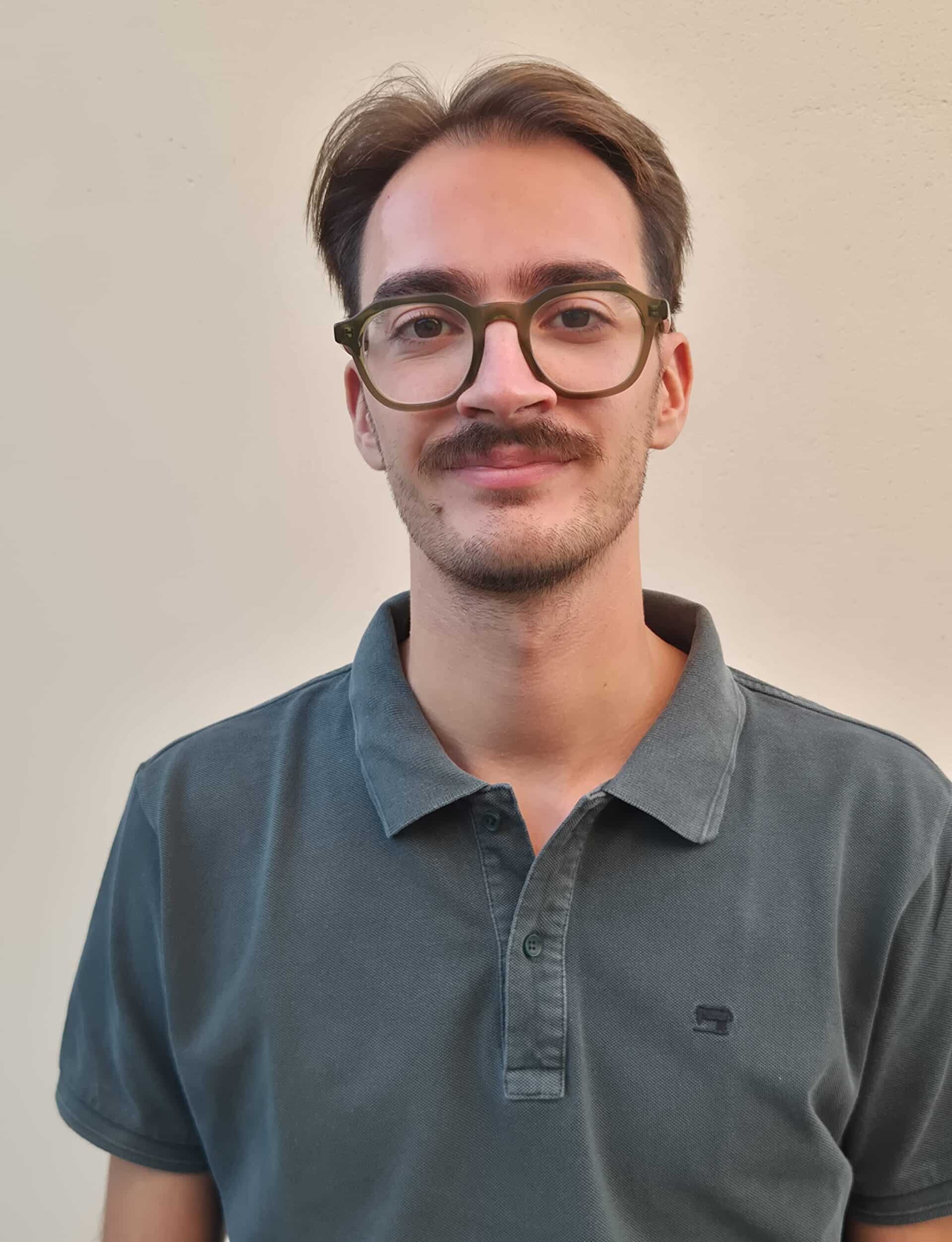
“The first few weeks in France for me have been very pleasant, we have felt truly embraced by our colleagues and faculty staff, everyone has been very willing to help us learn and adjust in the daily life. On a personal level, I do miss my family and friends from Greece, but the weather so far in Paris has been so great these days, at least the mediterranean sun followed me!
Collaboration and communication with the rest of the team has been excellent and I leally like that we have been given a lot of freedom and initiative in planning and rationalizing our projects and suggesting future strategies!
Right now, we are mainly focusing on investigating the existing literature in order to gain more insight of the lipid involvement in protein aggregation at the molecular level and identifying regions of lipid-protein interactions that could guide our future molecule design. I am super excited and motivated to wear my lab coat and glasses again to start the fun part of this journey!”
Right now, we are mainly focusing on investigating the existing literature in order to gain more insight of the lipid involvement in protein aggregation at the molecular level and identifying regions of lipid-protein interactions that could guide our future molecule design. I am super excited and motivated to wear my lab coat and glasses again to start the fun part of this journey!”

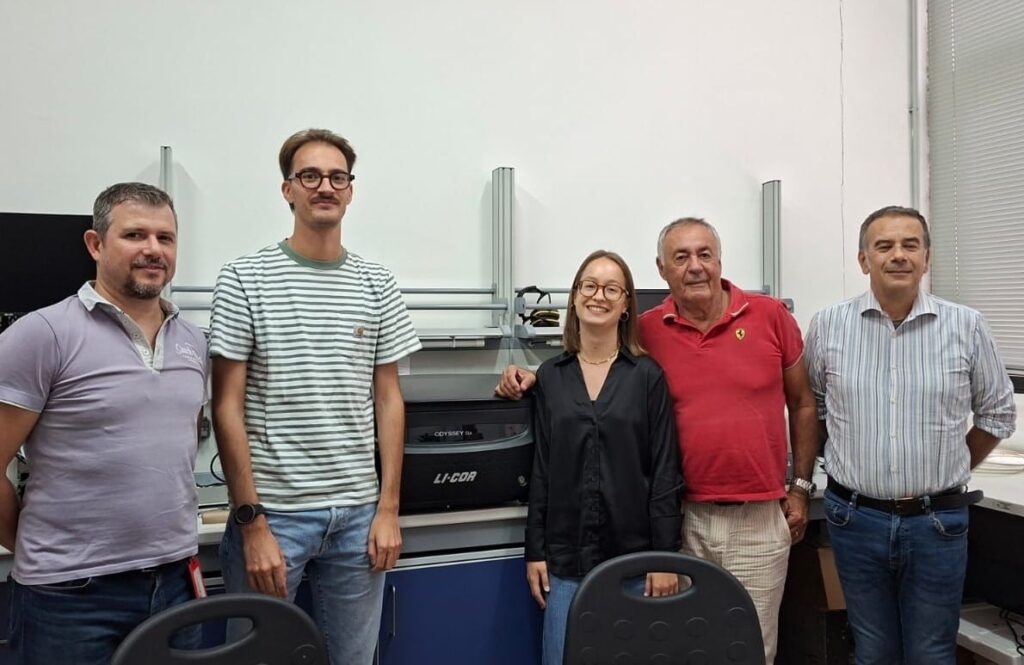
"The team is very welcoming and the lab very well-equipped. I'm eager to start this project"

“Upon my arrival, I was warmly welcomed by the entire team, which made me feel comfortable and integrated right away. Catania and its surroundings are beautiful and inspiring, making me eager to explore the region throughout my PhD experience.”